Build a Strong Sense of Belonging in Your Neighborhood
A strong neighborhood starts with simple actions. Talk to people. Show up. Offer help. When you build trust and stay consistent, people begin to feel connected. This guide outlines clear steps you can take to create a real sense of belonging where you live.
April 23, 2026

Introduction: Why Belonging Matters More Than Ever
In a world that often feels fast and disconnected, belonging is one of life's quiet but powerful needs. Imagine walking through your street and seeing familiar faces, sharing greetings, or helping a neighbor carry groceries. Those simple interactions turn ordinary neighborhoods into living, breathing communities. Try saying hello to one neighbor today or offering a quick wave. Taking that first small action is the step toward building a meaningful connection.
In Canada's growing cities, belonging can bridge cultural differences, build trust, and create safer, happier places to live. Yet too often, people move into neighborhoods without truly becoming part of them. Building belonging doesn't require grand gestures; it grows from small, steady actions that bring people together offline and online.
Here's how you can build meaningful social connections that make your neighborhood feel like home.
1. Begin with Everyday Connection
It all starts with something simple: a smile, a greeting, or a quick chat. These gestures may seem small, but they spark trust and familiarity. Over time, they break down isolation and remind people they're seen and valued.
In neighborhoods across Calgary and Halifax, local "Say Hello" campaigns encouraged residents to greet three new people each week. Within months, people reported feeling safer and more connected. Real belonging doesn't begin with community projects; it begins with people acknowledging each other.
2. Bring People Together Offline
Nothing strengthens a connection like shared experiences. Organize casual get-togethers such as potlucks, picnics, or weekend coffee mornings. Even simple activities like walking groups or movie nights can help neighbors bond naturally.
Events such as Neighbor Day in Calgary or community cleanups across British Columbia have shown that local gatherings not only strengthen friendships but also reduce feelings of loneliness. Shared laughter, stories, and meals are the building blocks of real community life.
3. Use Digital Tools to Stay Connected
Today, technology can help you build real connections in your neighborhood when used intentionally. Digital tools like WhatsApp groups, Facebook Neighborhood Pages, or Nextdoor let neighbors share updates, offer or ask for help, borrow tools, organize events, and recommend local services. This makes it easier for everyone to stay informed, ask questions, and feel included, even if schedules or mobility make in-person contact difficult. When starting or joining these online groups, consider setting basic ground rules and privacy tips to help everyone feel safe and respected. Remind members to avoid sharing sensitive personal information and adjust privacy settings as needed so everyone can connect with confidence.
A small Vancouver apartment complex started a shared digital board where residents could post needs, share recipes, or organize events. The result was remarkable: neighbors who barely spoke became close friends. Digital spaces, when used intentionally, can complement face-to-face connections and make belonging inclusive for everyone, even those who work long hours or have mobility challenges.
4. Volunteer Locally and Invite Others
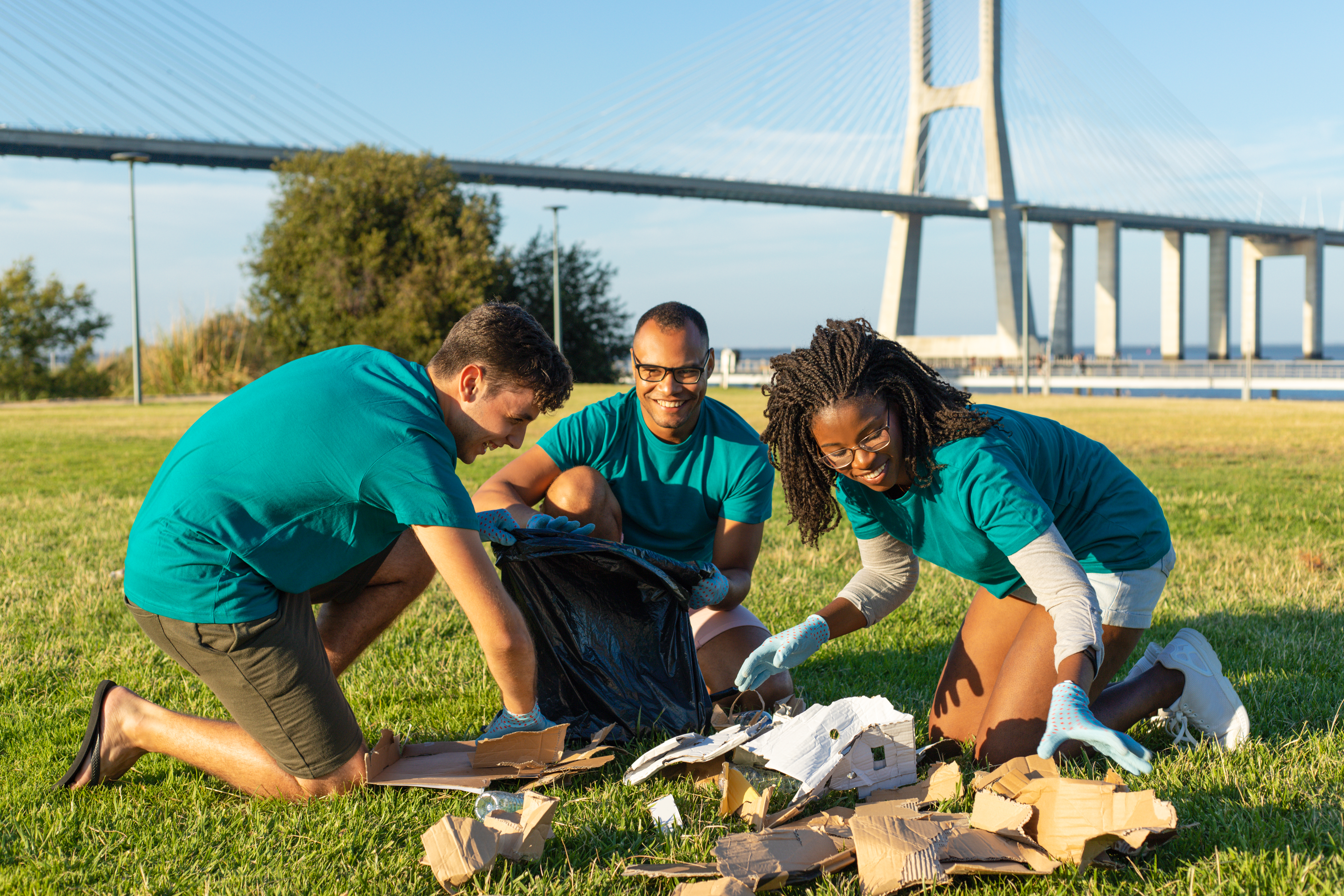
Volunteering brings purpose to connection. Whether it's cleaning a park, planting trees, or mentoring youth, it allows people to work toward something bigger than themselves.
In Toronto, a volunteer gardening project in a public housing area transformed not just the land but the lives of its residents. People who once avoided eye contact began chatting over plants and coffee. Volunteering binds people through shared pride and achievement; it's belonging in motion.
5. Support Local Businesses and Makers
Local shops, markets, and cafés are the heartbeat of a neighborhood. Supporting them keeps money circulating in the community and provides neighbors with natural meeting spots.
For instance, many small cafés in Ottawa and Winnipeg now host "Community Tables" where people can sit, talk, or leave notes for one another. These spaces have become informal centers for connection, bridging age, background, and culture. When you shop local, you're not just buying, you're investing in the stories and dreams that make your area unique.
6. Celebrate the Diversity Around You
Canada thrives on its diversity. Building belonging means creating spaces where everyone feels welcome, regardless of culture, language, or background.
Organize multicultural events, such as food fairs or storytelling nights, where neighbors share dishes, traditions, and music. In Mississauga, one neighborhood festival brought together over 20 cultural groups, turning curiosity into friendship. When we celebrate diversity, we build empathy and mutual respect, two pillars of belonging.
7. Build Safe and Shared Spaces
A sense of belonging grows stronger when people have physical places to gather. Advocate for community gardens, local parks, or street benches where people can relax and talk.
Residents in Edmonton transformed a neglected field into a community park through collective fundraising. Within months, it became a hub for children, parents, and seniors alike. When people share space, they share life.
8. Practice Kindness and Consistency
A neighborhood where kindness flows freely thrives. Offer help when someone needs it, lend a hand, or listen. Be the neighbor who remembers birthdays, checks in on seniors, or shovels a snowy driveway.
Consistency builds trust. When you keep showing up at meetings, events, and online spaces, you show that connection matters. Small actions, repeated with sincerity, create lasting impact. Building community can sometimes feel slow or discouraging at first. Relationships grow over time, and it's normal if results aren't immediate. Stay patient and keep going. Your efforts will make a difference, even if progress feels gradual.
Conclusion: Belonging Begins With You
A connected neighborhood doesn't happen by chance; it grows through the care and commitment of people who choose to engage. Every wave, every shared event, and every online chat adds to the invisible thread that ties people together.
When you make time for your neighbors, you do more than build friendships; you nurture a community where people feel valued, seen, and safe. You create spaces where children grow up feeling supported and where adults find comfort in shared purpose.
Belonging is more than knowing names; it's feeling rooted. It's knowing that when something happens, good or bad, your community will show up.
So start today. Greet someone new. Join a local initiative. Share an idea in your digital group. You don't have to fix the world; strengthen the world around you. Because when we care about our neighbors, we build more than streets; we build homes that hold meaning. Everyone is welcome, and your small step matters. Belonging starts with you.