How Technology Is Changing Local Business Operations in 2026
In 2026, local small and medium businesses (SMBs) can no longer treat technology as optional; AI, automation, and online tools are transforming customer experience, operations, inventory, and marketing.
April 15, 2026
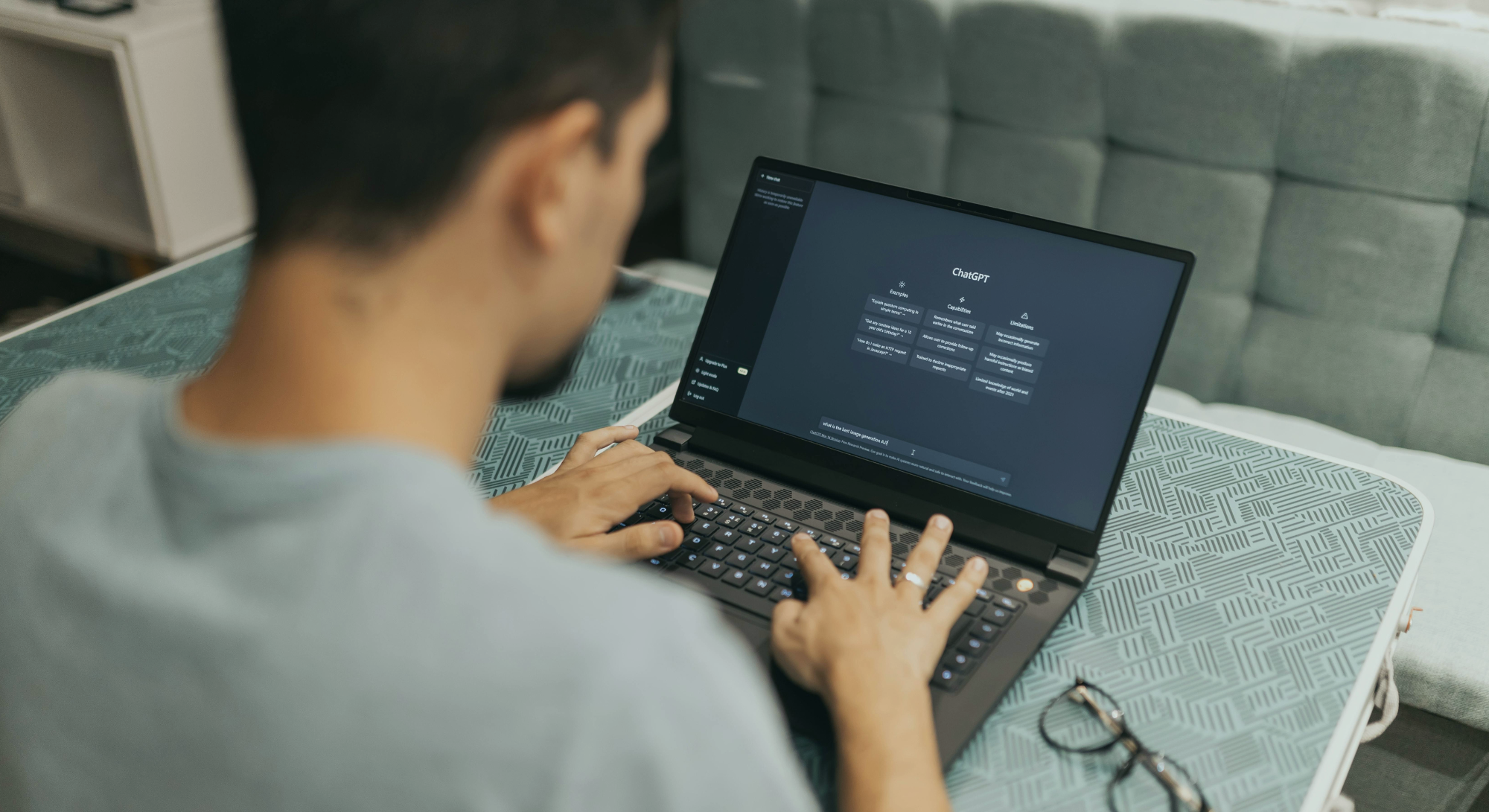
It’s early morning in Saskatoon, and Scott opens the dashboard for his little café. His POS system has already flagged that oat milk will run out by 11 am, an automatic reorder is underway, and an AI chatbot answered three customer questions about delivery and allergy information. He didn’t hire extra staff, he didn’t expand his storefront he plugged in tools that automate, anticipate, and respond. Scott’s café feels small, but its operations are smart. It’s a microcosm of what business technology does for local SMBs: it elevates service, cuts waste, and frees you to focus on what you love creating, connecting, and growing.
AI, Automation & Tools Are Not Luxury
Small business margins are tight, customers expect fast, accurate, personalized interaction, and competition doesn’t wait. According to a 2025 survey by Canadian Federation of Independent Business (CFIB), more than 60% of small firms say they plan to adopt automation or AI-powered tools in the next year to keep pace. When you use business technology, when you bring AI in small business tasks, or adopt digital transformation in operations, you gain speed, consistency, and insight. Without them, you risk falling behind or paying higher costs (labor, mistakes, missed orders, unhappy customers).
How AI, Automation, and Online Tools Impact Local Operations
Let’s explore real operational areas and how affordable tools make a difference, with examples that are doable even for SMBs with tight budgets.
1. Automating Repetitive Tasks: Save Hours, Reduce Errors
Repetition slows you down. When you manually send invoices, follow up on unpaid bills, or update spreadsheets daily, you lose brainspace and time. Automation tools take over routine work so you can spend energy on strategy and customer care.
Tools & Examples:
Zapier: Connects your email, CRM, accounting, messaging apps so that when a day’s sales are entered, invoices generate automatically or reminders are sent. Many small businesses use Zapier’s free or low-cost tiers.
Make: Lets you map complex workflows visually say, when a customer fills a form, automatically log the info, send confirmation, update your CRM, and follow up if needed.
Auto-invoicing tools like Wave or FreshBooks that send invoices and reminders without manual input.
Impact: A local hardware store in Vancouver used automation to reduce invoice follow-ups by 70%, and therefore reduced late payments significantly; time freed went into improving customer service and outreach.
2. AI in Customer Engagement & Marketing: Be Reactive and Predictive
Customers expect fast responses, relevant content, and personalization. AI enables small businesses to deliver that without needing large marketing teams.
Tools & Examples:
Chatbots / AI-chat supports: Tools like Tidio or ManyChat handle basic queries (hours, location, product availability), freeing you to focus on complex or nuanced customer service.
AI content generation: Tools like ChatGPT, Jasper, or Copy.ai can help draft newsletters, social media posts, promotions; you edit and refine.
Marketing automation: Platforms such as Mailchimp or Brevo allow you to send targeted emails based on user behaviour (e.g., cart abandonment), segmentation, or previous purchases.
Impact: A small bakery in Manitoba used AI-assisted email campaigns to win back 30% of customers who had not ordered in two months, by sending personalized offers. They used a budget plan with inexpensive automation.
3. Smarter Inventory, Scheduling & Operations
Preventing stock-outs or over-stock, scheduling staff according to demand peaks, running operations smoothly all become possible with digital insights and automation.
Tools & Examples:
Inventory management solutions like Cin7, Zoho Inventory, or TradeGecko (now QuickBooks Commerce) which integrate with sales channels to show what’s selling fast and what needs reorder.
Demand forecasting tools (often features included in inventory tools, or add-ons in platforms like Shopify or Lightspeed) that look at past sales and upcoming calendar events.
Staff scheduling tools such as Homebase, Deputy, or When I Work, which allow staff to swap shifts, alert for understaffing, or signal overtime.
Impact: A local florist in Alberta avoided spoilage and over-purchasing by using forecasting tools, and saved labour costs by better matching staff schedules to demand peaks (e.g., holidays, wedding season).
4. Online Presence and E-Commerce Integration
You can’t ignore online visibility anymore. Customers check reviews, expect digital payment options, and shop online even from local businesses.
Tools & Examples:
Shopify or BigCommerce storefronts, sometimes using built-in AI tools for product descriptions or image enhancements.
Square or Stripe for online & in-store payments; integrating POS with online store.
Appointment booking tools like Acuity Scheduling, Bookeo, or Square Appointments for service businesses (e.g. salons, clinics).
Impact: A wellness clinic in Quebec moved part of its booking process online, cut no-show rates by using reminder automations, increased weekday appointments by 20%.
5. Data & Analytics: Know What’s Working, What’s Not
Data isn’t just for big firms. Local businesses with dashboards see what products, promotions, or schedules perform best and adapt swiftly.
Tools & Examples:
POS systems with built-in analytics (e.g., Lightspeed, Square) that show top-selling items, peak hours, and customer return metrics.
Google Analytics or Microsoft Clarity tracking website behavior (bounce rates, search terms, conversion points).
Social media analytics (Instagram, Facebook) with tools like Later or Hootsuite to see what content gets engagement.
Impact: A boutique in Nova Scotia noticed heels sold more on weekends; adjusted stock and promotion accordingly and realized 15% sales uplift on those days.
What Small Business Owners Should Consider Before Adopting Tech
Budget clearly: subscription fees, setup, learning time. Even affordable tools add up.
Skill & training: someone needs to learn and maintain systems. Don’t pick tools you’ll abandon.
Customer experience: automation must be seamless; poor chatbot design or stock errors damage trust.
Privacy & compliance: Canada’s privacy laws (PIPEDA) require careful data handling; if you collect personal info or store customer data, ensure providers are compliant.
Start Small, Build Fast
Pick one pain point (day-to-day task) that eats time say invoice follow-ups or appointment booking. Automate it this month using a tool like Zapier or Homebase.
Test an AI-enabled customer engagement tool perhaps set up a chatbot (Tidio) or schedule social media posts with AI assistance.
Link your inventory or sales system to a dashboard (even free tiers) to see what sells most and where you lose.
Commit to measuring: define what success looks like for example, reduce time spent on admin by X%, reduce wastage, increase repeat customers. Check in after 30 days.
Conclusion
Technology is transforming local business operations in 2026 not by replacing the human heart of your business but by freeing you from the burdens that distract from customer connection, creativity, and growth. When you adopt business technology, use AI in small business operations, or invest in automation, you reclaim time, reduce errors, and sharpen decisions. These tools grant you the power to be proactive rather than reactive you anticipate customer needs, manage inventory smartly, respond quickly, and market more precisely.
If you remember just one thing, it is this: impact comes from consistent, small choices. Choose something accessible, test it, learn from it and build incrementally. You might start with automating a single workflow, implementing a chatbot to manage simple FAQs, or optimizing your inventory forecasts. Over time, these cumulative steps add up, freeing you to focus on what only you can do creating, innovating, building relationships.
So, begin now: pick one tool, one process, one area where technology can ease your workload or generate more revenue. Try it. Measure it. Refine it. Because in 2026, the small business that learns to use AI, automation, and online tools intelligently will not just survive in local markets they’ll lead them.