Why Customers Visit Once and Never Come Back and How to Fix It
Getting a customer once is not enough. The real challenge is turning first-time visitors into repeat customers. This guide breaks down why customers leave and how to fix it with simple, practical actions.
May 18, 2026
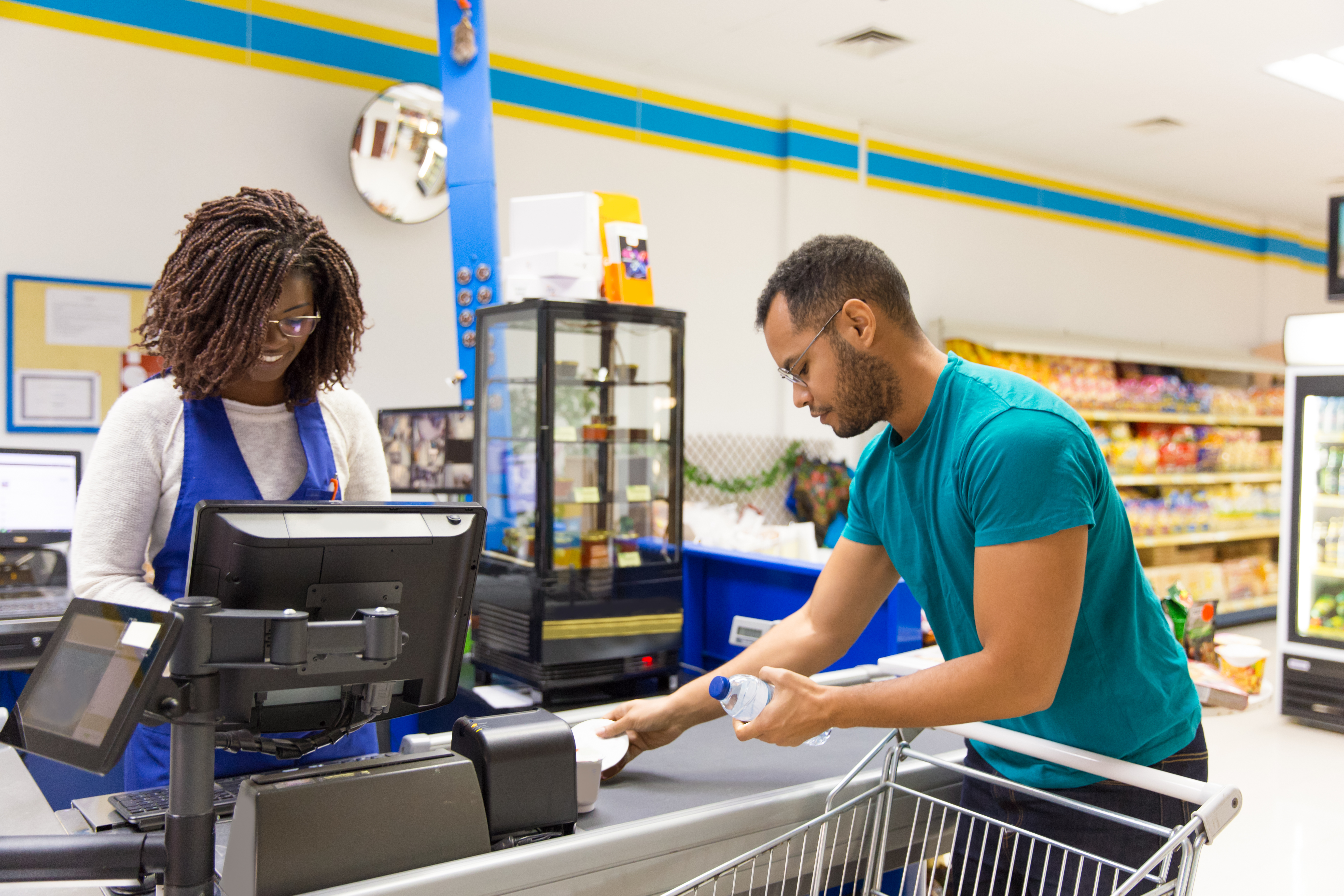
You worked hard to get people through your door. Maybe you ran ads, printed flyers, or relied on word of mouth. It worked; people showed up. But then they didn’t come back.
If that sounds familiar, you’re not alone. Most local businesses don’t fail because they can’t attract customers. They fail because they can’t keep them. And the scary part? Many owners never figure out why.
Let’s break it down, plainly and honestly, and see why retention is too often overlooked.
The Real Cost of Losing a Customer
But before we examine the reasons why customers leave, consider this important fact.
Acquiring a new customer costs five times as much as keeping one. When someone leaves and never returns, it’s not just one lost sale; it’s all their future purchases and referrals lost.
A loyal customer at a local hair salon, for example, might spend $1,500 a year and bring in two friends. Lose that customer, and you’ve potentially lost thousands, not just one haircut.
These losses add up fast, so the question remains: why does it keep happening?
1. The First Impression Was Good, But the Second Visit Wasn’t
Many small businesses put enormous energy into the first sale, the welcome, the pitch, the smile. But the second and third visits are often treated as routine, and that’s a mistake.
Customers notice when enthusiasm drops off. If they felt special on day one and invisible on day three, they start to wonder if it was just a performance.
What to do: Train yourself and your staff to treat returning customers with the same energy as new customers. Recognizing a repeat customer by name, or remembering their usual order, makes a bigger difference than most owners realize.
2. No Follow-Up After the Sale
Think about the last time a local business reached out to you after a purchase, not to sell more, but to check in. Rare, right?
Most local businesses fall silent after a sale: no thank-you, no check-in, no friendly follow-up.
That silence sends a signal, even if unintentional: We only care when we need your money.
Practical example: A small home repair company that sends a simple WhatsApp message two weeks after a job, “Hi Sarah, just checking everything’s holding up with the installation!”, will be remembered. When Sarah needs the next repair, she calls them first.
What to do: Build a simple follow-up habit. It doesn’t need software. A text, call, or short email a week after a purchase goes a long way.
3. The Experience Is Inconsistent
Consistency is one of the most undervalued factors in business. Customers want great experiences every time, not just once.
If your bakery makes incredible bread on Monday but just okay bread on Friday, customers can’t trust you. If customer service is warm when the owner is around but cold when they’re not, people notice.
What to do: Write down your standards, literally. Even a one-page document on how you greet customers, package orders, or handle complaints helps. Shared standards create consistent experiences, even when you’re not there to oversee everything.
4. They Never Gave Customers a Reason to Come Back
Here’s a question: after someone buys from you, what’s their reason to return?
If your only reason is 'our product is good,' that’s not enough. Good products are everywhere. Customers need a strong, unique reason to return to you.
This is where small businesses miss a huge opportunity.
What to do:
- Create a simple loyalty reward. Buy 5, get 1 free. It works not because it’s clever but because it creates a reason.
- Host a recurring event or offer. A clothing boutique that does a monthly styling night keeps its community engaged even when customers aren’t buying.
- Give customers something to anticipate: a seasonal menu, a new arrival, or early access for regulars.
5. Complaints Were Ignored or Handled Poorly
One unhappy customer who gets ignored will tell ten people. One unhappy customer who gets a genuine, human response will often become a loyal advocate.
Most local businesses either avoid complaints entirely or get defensive when they do. Both responses are costly.
Real scenario: A customer at a local restaurant gets the wrong order. The waiter apologizes, offers a replacement, and the owner personally stops by the table. That customer leaves more impressed than if nothing had gone wrong. They post about it. They come back.
What to do: Create a simple complaints process, even just for yourself. When something goes wrong: acknowledge it quickly, apologize sincerely, fix it where you can, and follow up. No excuses. No blame-shifting.
6. They’re Not Staying Connected Between Visits
Out of sight is out of mind. If a customer doesn’t hear from your business for three months, another local competitor will fill that gap.
Many local businesses lack a way to reach customers between visits, no email list, social media, or SMS. Every new message feels like starting over.
What to do:
- Collect contact info at the point of sale with permission. A simple “Can I grab your number or email for updates and offers?” works for most businesses.
- Post consistently on one social platform, not all of them. Pick the one your customers actually use.
- Send occasional updates: a new product, a behind-the-scenes moment, a seasonal deal. Not spam, just staying present.
7. The Business Doesn’t Feel Personal Anymore
When local businesses grow, they sometimes lose what made people love them in the first place: the personal touch.
Customers choose local over big chains because of the human connection. The owner who knows their name. The handwritten note in the package. The extra care that a faceless corporation can’t offer.
Lose the personal touch, and you lose your competitive edge.
What to do: As you grow, find ways to keep the personal element alive. Write notes. Remember details. Celebrate loyal customers publicly. Make people feel like they’re part of something, not just a transaction.
Quick Wins: Actionable Tips You Can Start Today
If you want to stop losing customers, here are things you can do this week with no big budget needed:
Consistent small actions grow a loyal customer base.
FAQs: What People Also Ask
Why do customers stop coming back to local businesses?
How can a small business improve customer retention?
What is a good customer retention rate for a small business?
Is customer retention more important than getting new customers?
How do I get customers to keep coming back?
Conclusion: It’s Simpler Than You Think
Keeping customers isn’t mysterious. It’s not fancy software or marketing funnels. It’s about making customers feel valued, not just targeted for sales.
The businesses that thrive in the long term aren’t always the ones with the best products. They’re the ones people trust, feel connected to, and actually enjoy giving their money to.
Start with one action from this list today. Fix one gap, build one habit, and commit to seeing the change. Take the first step; your customers are waiting for you to show them they matter.
Retention isn’t about big strategies; it’s about small, steady actions that show your customers: You matter here.